
Luxury Travel Through Cultural Immersion
- Rose Ann Clavel
- Aug 14
- 8 min read

The finest suite in the world can still feel forgettable if the destination never reaches beyond the room. Luxury travel has long been tied to privacy, design, fine dining, and service that anticipates every need. Those comforts matter. They create ease, safety, and space to unwind.
But comfort alone does not always create a lasting memory.
The most meaningful trips tend to include something deeper: a conversation with a local guide, a meal that explains a region’s history, a craft learned from someone who inherited it, or a neighborhood walk that reveals how people actually live. These moments add emotional weight to travel. They turn a beautiful escape into a story worth carrying home.
That is where cultural immersion changes the experience. It adds connection without taking away comfort. It helps travelers understand a place rather than simply enjoy its scenery.

Luxury travel is becoming more personal
The idea of luxury has changed. For years, the dream centered on escape: a private beach, a quiet villa, a spa schedule, and a table with a view. That version of travel still has value, especially when life feels crowded and demanding.
Yet many travelers now want more than rest. They want a sense of place. They want to return home with memories that feel specific, not interchangeable.
A beachfront resort in one country can look much like a beachfront resort in another. The thread count may be excellent. The service may be flawless. Still, if the guest never tastes local food, hears the local language outside scripted greetings, or learns why the coastline matters to the people who live there, the trip can feel incomplete.
Luxury travel through cultural immersion offers a different kind of richness. It keeps the ease of luxury while opening the door to local life. The private transfer can still be waiting. The suite can still be serene. The difference is that the itinerary makes room for meaning.
That may look like:
A guided walk through a historic district with someone who grew up nearby
A private cooking lesson in a family-run kitchen
A visit to a craft workshop where guests meet the makers
A tasting that explains the land, climate, and traditions behind each dish
A festival, ceremony, or performance approached with respect and context
These are not add-ons in the shallow sense. When planned well, they become the heart of the trip.
Cultural immersion is more than sightseeing
Sightseeing has its place. Landmarks help define a destination, and many deserve their fame. Yet cultural immersion goes further than standing in front of a monument or moving through a checklist of attractions.
It asks for attention.
To immerse yourself in a culture, you engage with the people, customs, stories, food, art, and daily rhythms of a place. You do not need to live like a local or reject comfort to do this. You simply need experiences that create real contact with the destination.
A respectful immersive experience might include:
Learning local history through storytelling rather than a rushed tour script
Eating regional food in places where the dish has roots
Visiting markets with a guide who can explain ingredients and customs
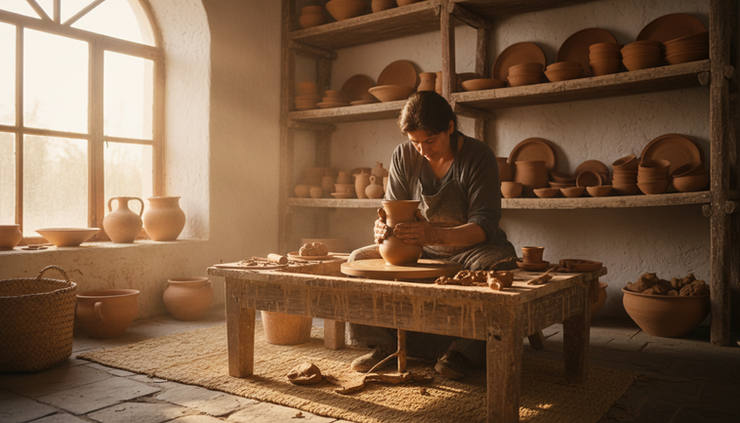
Joining a hands-on workshop, such as ceramics, weaving, music, or cooking
Exploring neighborhoods beyond the main tourist paths
Asking thoughtful questions and listening without rushing the answer
The best luxury operators understand this balance. They do not treat culture as a performance arranged for visitors. They work with local experts, artisans, historians, cooks, naturalists, and community hosts who can share their knowledge with pride and fair compensation.
That distinction matters. Cultural immersion should feel human, not staged. It should give travelers access to insight while protecting the dignity of the people and traditions being shared.
Meaning makes memories last
People often remember moments that made them feel something. A room can be stunning, but an emotional connection gives the trip staying power.
Think about the difference between looking at a centuries-old building from the outside and hearing how families, trade, conflict, faith, weather, and craftsmanship shaped it over time. The building does not change. Your relationship to it does.
Context turns observation into memory.
The same happens with food. A tasting menu can impress through technique. A traditional meal can do something else when someone explains where the recipe came from, why certain spices are used, how the dish changes by region, and what it means during holidays or family gatherings.
This is why immersive travel often feels more valuable than passive sightseeing. It gives the mind something to hold onto. It anchors beauty to story.
A traveler may forget the exact name of a wine poured at dinner. They may remember the vineyard owner describing how the soil changes after rain. They may forget the room number of the suite. They may remember the musician who explained the meaning behind a song before playing it in a small courtyard.
The memory lasts because it has a human thread.
Comfort and authenticity can work together
Some people hear “cultural immersion” and imagine inconvenience. Long travel days. Crowds. Unclear plans. Awkward encounters. That can happen when trips are poorly designed, but immersion does not require discomfort.
In luxury travel, the goal is not to remove every unfamiliar element. The goal is to create a thoughtful frame around it.
A well-planned immersive trip can include:
Private guides who offer deeper context and flexible pacing
Comfortable transportation between local experiences
Restaurant reservations that balance regional cuisine with high standards
Small-group or private workshops with vetted hosts
Downtime after active cultural experiences
Clear etiquette guidance before visiting sacred or community spaces
This is where luxury shows its best side. It can reduce friction so the traveler can focus on the experience. It can also ensure that local partners are chosen carefully and treated well.
For example, a market visit can feel overwhelming alone. With the right guide, it becomes a doorway into the region. The guide can explain seasonal produce, food customs, language cues, and what to taste. Afterward, a private cooking class can turn those ingredients into a meal. The day stays comfortable, but it also feels alive.
The same applies to art and craftsmanship. Walking into an artisan’s studio with no context may feel like shopping. Meeting the maker, learning the history of the craft, and understanding the time behind each piece creates appreciation. If a purchase follows, it feels connected to a person and a place.

Food is often the easiest doorway into culture
Cuisine gives travelers one of the most direct ways to understand a destination. Food carries migration, geography, religion, farming, trade, family memory, and celebration. A single dish can reveal more about a place than a long lecture.
Luxury dining has embraced this shift. Many high-end hotels and restaurants now highlight regional ingredients, local producers, and traditional methods. That is a welcome change, but the richest food experiences often go beyond the polished dining room.
They may include breakfast at a neighborhood bakery, a guided tasting at a family-owned farm, a seafood meal near the harbor, or a cooking class where the host shares stories while preparing the dish.
Luxury does not have to mean formal. Sometimes it means rare access, careful planning, privacy, expertise, and time.
A meaningful culinary itinerary might blend both worlds:
A refined dinner using regional ingredients
A private wine or spirits tasting
A chef-led cooking class
A hotel breakfast with local touches
A morning visit to the market that supplies those ingredients
A conversation about land, climate, and production traditions
A shared meal that explains family and holiday customs
A stop at a beloved neighborhood bakery
This kind of balance keeps the experience elegant while making it personal.
Local guides can change the entire trip
A great guide does more than share facts. They translate meaning.
They know which street has a story that guidebooks miss. They can explain why a ritual matters, when to be quiet, what to ask, and what not to photograph. They can connect history to the present day in ways that feel clear and human.
Private guiding is one of the strongest examples of luxury and immersion working together. It creates a tailored experience without isolating the traveler from the destination.
The right guide can adjust the pace, read curiosity, and go deeper when a topic sparks interest. A history lover might spend more time on architecture and politics. A food-focused traveler might follow the path of a specific ingredient. A family might need stories that keep children engaged without simplifying the culture into stereotypes.
This is also where respect becomes practical. Local guides help travelers avoid behavior that may seem harmless but feels intrusive to residents. They can explain dress customs, sacred spaces, market etiquette, tipping norms, and photography boundaries.
That knowledge protects the traveler from awkward moments and protects the community from being treated like scenery.
The best immersive experiences are rooted in respect
Meaningful travel should never turn culture into a commodity. There is a difference between being welcomed into an experience and consuming someone else’s traditions as entertainment.
Respectful cultural immersion has a few clear traits:
Local people lead the story.
The experience centers voices with lived knowledge, not outside interpretation alone.
The exchange is fair.
Guides, artists, cooks, performers, and community hosts receive proper payment and credit.
The setting feels appropriate.
Sacred practices, private grief, or vulnerable communities should never be packaged for easy consumption.
Visitors receive context.
Good planning includes etiquette, history, and the reason an experience matters.
The group size fits the place.
Some settings cannot handle large crowds without losing integrity.
Luxury travelers can play a positive role here. With the right choices, they support skilled local professionals, preserve craft traditions, and help tourism dollars reach beyond large properties. The goal is not to “discover” a culture. It is to enter with humility, learn with care, and leave with gratitude.

How to plan a luxury trip with deeper cultural connection
A meaningful itinerary rarely happens by accident. It needs space. If every hour is packed, there is no time for conversation, surprise, or reflection.
Start with one question: what would make this destination feel different from anywhere else?
From there, plan around experiences that answer that question.
Choose fewer experiences and give them more time
A rushed itinerary can make even rare access feel shallow. Two thoughtful cultural experiences often create more value than six quick stops.
Leave room for slow meals, questions, walking, and rest. Luxury comes from time as much as service.
Look for specialists, not generic tours
Seek guides and hosts with real expertise. That may mean a historian, chef, farmer, architect, artist, conservationist, or musician. Specific knowledge creates depth.
A general overview can help on the first day. After that, specialized experiences often leave a stronger impression.
Ask how local partners are involved
When booking through a hotel, villa company, travel advisor, or tour operator, ask who leads the experience. Ask whether the host is local, how the visit supports the community, and what makes the experience appropriate for guests.
Good providers can answer clearly.
Balance polished moments with everyday ones
A five-star dinner may be wonderful. Pair it with a humble local lunch. A private museum tour may inspire awe. Pair it with a walk through a residential neighborhood or a visit to a working studio.
The contrast makes the trip feel fuller.
Prepare before you arrive
A little preparation changes the way a place opens up. Learn a few greetings. Read a short history. Understand basic customs. Know when modest clothing is expected. Find out whether photography is welcome.
Preparation is a form of respect, and it makes the experience smoother.
Luxury feels richer when it creates connection
The future of luxury travel does not require choosing between comfort and culture. The strongest trips offer both. They provide a beautiful place to rest, then invite the destination in through story, food, craft, music, history, and human connection.
A private villa can be memorable. A private villa paired with a day spent learning from a local cook, walking with a historian, or visiting an artisan whose family has practiced a craft for generations becomes something more.
That is the difference between a trip that looks beautiful and a trip that stays with you.
True luxury gives you ease. Cultural immersion gives that ease a sense of purpose. When the two come together, travel becomes more than a reward. It becomes a way to understand the world with greater care, curiosity, and appreciation.


Comments